Spotting the first signs
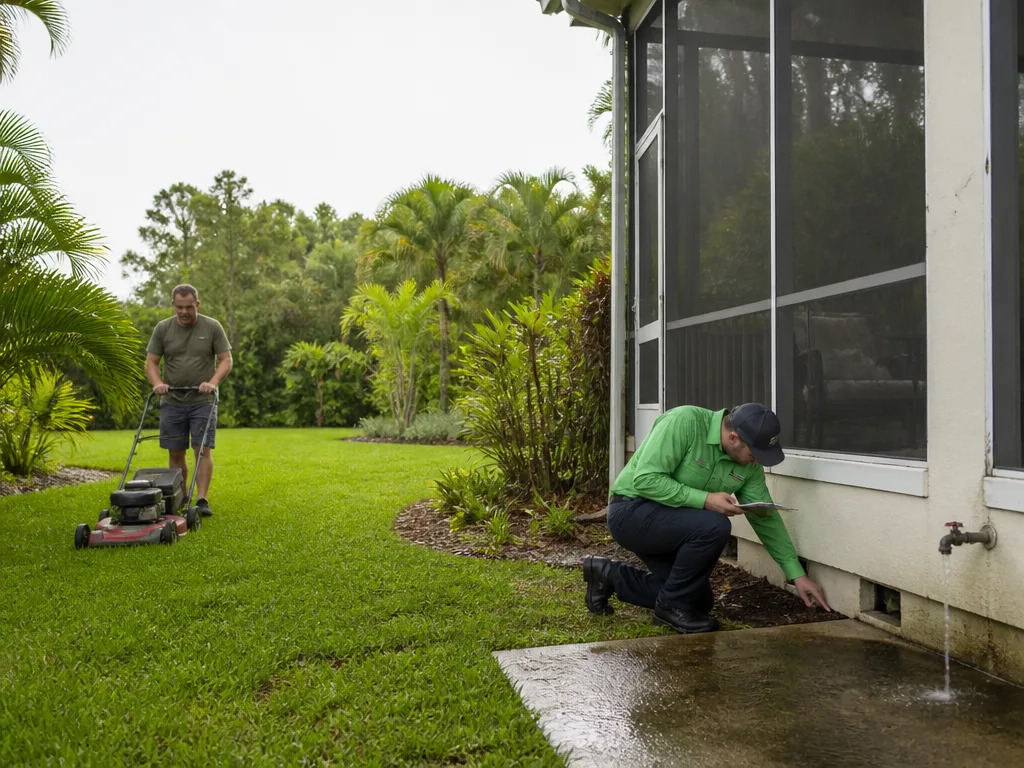
In Florida, a lot of what we call warning signs come from the way pests behave in warm, humid weather. Our team at Florida Termite Inspection often hears from homeowners who notice small changes around the base of their home, along foundation walls, or in crawl spaces. Look for tiny mud trails, wood that sounds hollow when tapped, or frass that looks like coffee grounds near entry points. These clues don’t always mean a major problem, but they’re worth a closer look by a pest control specialist.
Color changes on wood surfaces can also be a hint. If you see darkened edges, staining, or a powdery residue on window frames from Florida humidity, note it and observe whether the problem spreads. Florida crews see this pattern often in damp seasons when pests explore new routes into homes. Don’t assume it’s nothing alter the situation to protect your property.
Where the clues tend to hide
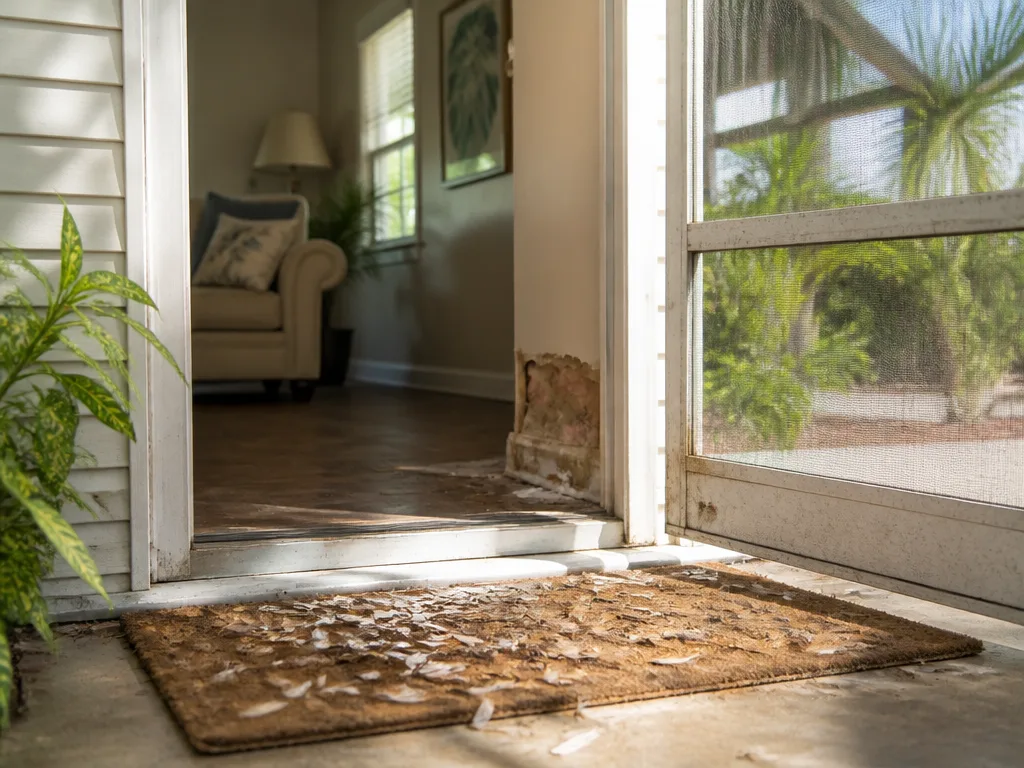
Common hotspots include around doors and windows, in overhanging landscaping, along fascia boards, and inside attics or crawl spaces. In Florida, termites and other wood-destroying insects can leave behind pale sawdust or tiny pellet-like droppings near vents or utility penetrations. If you find silvery or hollow-sounding wood, that’s a sign to call a pest control specialist for a closer look. Florida Termite Inspection will assess the entire home and roofing lines, not just the obvious spots.
During warm months, you may notice increased activity on exterior walls or mulch beds close to the house. Termite swarms, when they occur, often happen in spring and early summer in Florida. If you see tiny flying insects around your porch lights, treat that as a signal to check the structure more thoroughly. Our crews in every Florida metro are trained to identify these patterns quickly.
What to do if you spot signs
Document what you see with photos and note dates you first observed changes. Contact Florida Termite Inspection for a no-pressure consultation. A pest control specialist will walk you through signs, potential risks, and a plan tailored to your home. We prefer a plain-English approach that discusses what’s happening, what it means for your property, and what steps fit your budget and goals.